How to Install a Loading Dock
Adding a loading dock to an existing facility transforms a static building into a dynamic logistics hub. This modification connects your internal operations directly to the external supply chain, allowing for the rapid movement of goods. However, this is a significant construction project that alters the structural footprint of your property.
You cannot simply cut a hole in the wall and pour some concrete. The process requires precise engineering, adherence to strict zoning codes, and a clear understanding of your operational needs. A poorly designed dock can create bottlenecks that slow down your entire business.
We will examine the critical steps required to plan, permit, and construct a functional loading dock. With insights from industry leaders like Stokes Equipment, you will learn about necessary site assessments, equipment selection, and the construction phases involved. This guide provides the technical details you need to manage this capital improvement project effectively.
Assessing Site Feasibility and Truck Requirements
Before you hire a contractor, you must verify that your property can physically support a loading dock. The most common oversight in dock planning is failing to account for the truck apron space. This is the area required for a semi-truck to maneuver and back into the dock safely.
A standard 53-foot trailer needs approximately 150 feet of space extending out from the dock face to park and pull out without difficulty. If your building faces a narrow alley or a busy street, you might not have enough room for standard perpendicular docking. In such cases, Stokes Equipment often recommends saw-tooth dock designs that angle the bays to save space.
You must also analyze the grade or slope of the approach. A decline that is too steep will cause the top of the truck to hit your building before the bottom reaches the bumpers. While a slight slope is manageable, severe grades require specialized equipment and drainage solutions to prevent water from pooling in the loading pit.
Selecting the Correct Dock Configuration
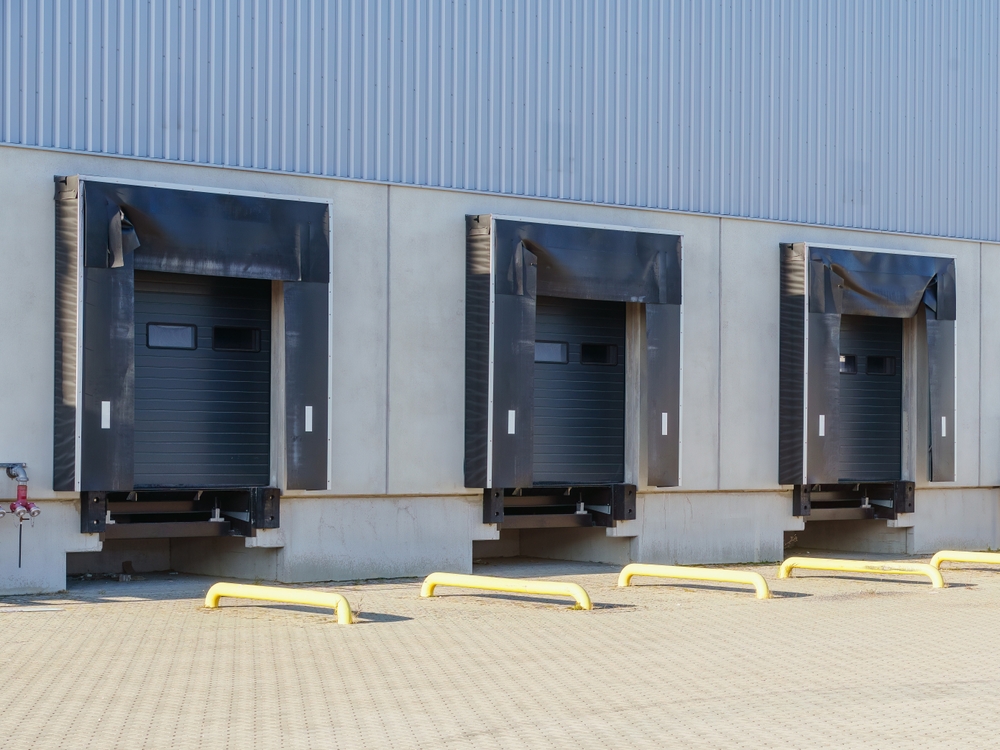
Once you confirm the site works, you must choose the type of dock that fits your building structure. The most common configuration is the flush dock, where the face of the dock is flush with the building’s exterior wall. This design conserves internal floor space and allows the building wall to securely seal against the truck.
For facilities requiring temperature control, an enclosed dock is often the superior choice. In this setup, the truck parks inside the building or a sheltered extension, protecting goods from weather exposure. This option is significantly more expensive due to the added construction and ventilation requirements for truck exhaust.
Stokes Equipment specialists can help evaluate if an open dock is viable for your climate or if you need the security of a fully enclosed option.
Pro Tip: If your building lacks a raised foundation, you will likely need to dig a “dock pit” or depression to lower the truck bed to floor level. This requires extensive excavation and drainage planning.
Essential Equipment and Components
A loading dock is more than just a concrete ledge; it is a system of mechanical components working together. Partnering with a distributor like Stokes Equipment guarantees you select high-quality components, such as loading dock doors in Delaware, that integrate seamlessly. The dock leveler is the most important piece of hardware you will install.
Dock Levelers
You can choose between mechanical, hydraulic, or air-powered levelers depending on your volume and budget. Mechanical levelers use springs and are cost-effective but require more physical effort. Stokes Equipment frequently recommends hydraulic levelers for high-volume facilities due to their push-button convenience and higher durability.
Vehicle Restraints
Safety restraints lock the trailer’s rear impact guard to the dock wall to prevent “trailer creep” or early departure. While wheel chocks are the minimum requirement, automatic restraints provide a much higher level of protection. These systems often integrate with light communication systems to signal when it is safe to enter the truck.
Seals and Shelters
Dock seals are foam pads that the truck compresses against to create an airtight seal, preserving internal climate conditions. Dock shelters are curtains that hug the sides of the truck, allowing full access to the trailer opening. Choose seals for strict temperature control and shelters for wider versatility with different truck sizes.
Step-by-Step Installation Process
Installing a loading dock involves structural modification and heavy coordination between different trades. If you are retrofitting an existing building, this process can take several weeks to complete. The following guide outlines the standard workflow for a new dock installation.
How to Construct Your Loading Dock
- Engineering and Permitting: Hire a structural engineer to design the pit and wall modifications. Submit these plans to your local municipality to obtain the necessary building permits.
- Excavation and Wall Cutting: Saw-cut the existing building wall to create the opening. Excavate the ground for the leveler pit and the approach ramp if a decline is needed.
- Concrete Work and Framing: Pour the concrete for the pit floor, retaining walls, and bumper supports. Install steel curb angles to protect the concrete edges from future impact damage.
- Equipment Installation and Electrical: The installation team from Stokes Equipment will weld the leveler into the pit and mount bumpers, seals, and restraints. Connect the electrical controls for the leveler, lights, and interlock systems.
Safety Regulations and OSHA Compliance
Workplace safety is paramount in a loading dock environment due to the mix of heavy machinery and foot traffic. OSHA standard 1910.28 requires fall protection for any drop of four feet or more. This means when the dock door is open and no truck is present, you must have a barrier in place.
You should install visual communication systems, such as red and green stoplights, inside and outside the building. These lights tell the driver when to stop and tell the forklift operator when it is safe to enter the trailer. Stokes Equipment offers integrated control panels that manage these signals, preventing the dangerous scenario of a truck pulling away while a forklift is still inside.
Proper lighting is another critical compliance factor for warehouse safety. The inside of a semi-trailer is dark, creating hazards for your loading crew. Installing adjustable dock lights on swing arms illuminates the trailer interior, reducing accidents and product damage.
Warning: Never bypass safety interlocks on automated dock equipment. These systems prevent the leveler from operating unless the vehicle restraint is properly engaged.
Cost Considerations and Budgeting
The cost of installing a loading dock varies widely based on existing site conditions and the equipment you select. A simple retrofit where the floor is already at dock height (approx. 48 inches) will cost significantly less than creating a depressed pit. Excavation and concrete work typically consume the largest portion of the budget.
Basic mechanical edge-of-dock levelers are affordable, often costing a few thousand dollars including installation. However, full pit-style hydraulic levelers with integrated restraint systems can cost three to four times that amount per bay. You must also factor in the cost of electrical runs, as most modern dock equipment requires dedicated power circuits.
Don’t forget the hidden costs associated with structural modifications to the building. Consulting with Stokes Equipment for loading dock service in Philadelphia early in the process helps you develop a realistic budget that accounts for both the construction and the long-term equipment costs.
Maintenance and Long-Term Care
After installation, a proactive maintenance schedule is necessary to keep your dock operational. Dock levelers operate under immense pressure and require regular cleaning and lubrication. Debris often collects in the pit, which can block the hydraulic mechanisms or create fire hazards.
You should inspect the loading dock bumpers in Delaware monthly. These seemingly simple rubber blocks absorb the massive kinetic energy of a backing semi-truck. If they wear down or fall off, the truck will slam directly into your building foundation, causing expensive structural damage.
Hydraulic fluid levels and hose integrity must be checked every quarter. Stokes Equipment provides planned maintenance programs to check for leaks and wear, preventing unexpected equipment failure and slip hazards for your employees. Keeping a log of all inspections and repairs helps you track the lifespan of your equipment and plan for future replacements.
Conclusion
Installing a loading dock is a strategic investment that streamlines your shipping and receiving capabilities. It requires a detailed approach to site planning, equipment selection, and safety compliance. By understanding the structural and mechanical requirements upfront, you avoid costly delays and operational headaches.
Remember that the cheapest option is rarely the most efficient in the long run. Investing in quality levelers, reliable vehicle restraints, and proper drainage makes sure your dock handles traffic smoothly for years. With the right planning and professional execution from experts, your new loading dock will become a vital asset to your business infrastructure. Contact Stokes Equipment today for expert loading dock installation.