Raptor Rigid High Speed Doors: The Complete Guide to Performance and Applications
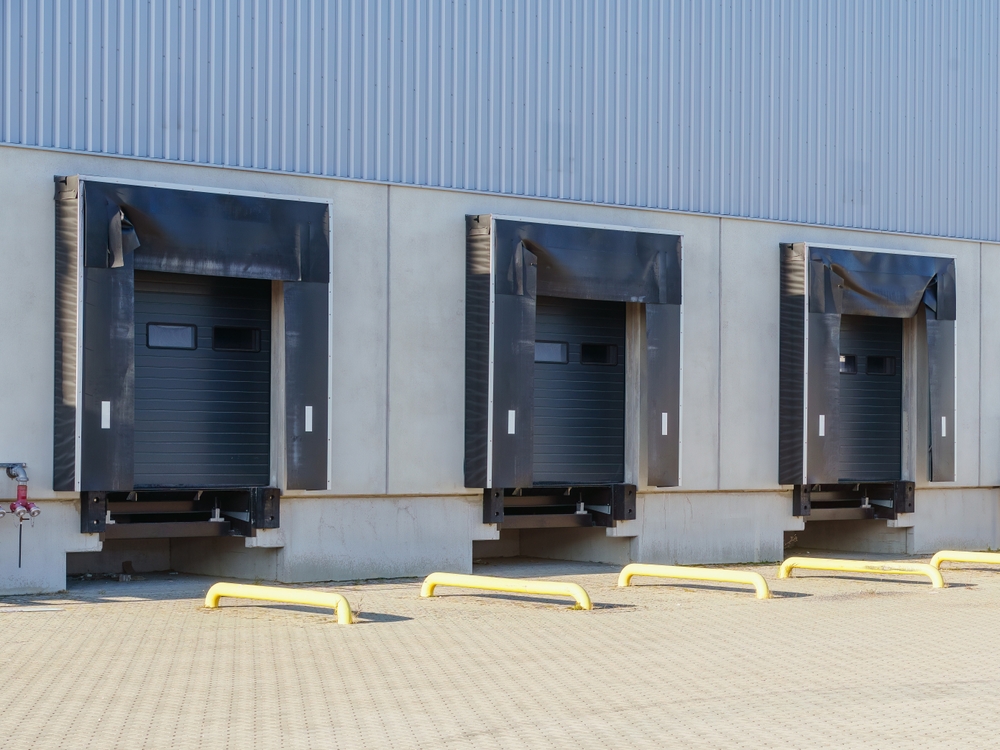
High-speed doors have become a critical component in modern industrial facilities. When it comes to exterior applications that demand speed, security, and climate control, Raptor Rigid High Speed Doors stand out as a solution that delivers on all fronts. This guide explores how these innovative doors work, their advantages, and the best practices for implementing them in your facility. Facilities focused on protecting their building perimeters and dock areas often pair high-speed doors with loading dock bumpers in Chester County, PA, to improve safety, absorb impact, and maintain efficient traffic flow.
What Makes Raptor Rigid High Speed Doors Different?
Traditional rolling steel and sectional doors have served industrial facilities for decades, but they come with significant drawbacks. These doors open at speeds up to 10 times slower than modern high-speed alternatives, creating bottlenecks that impact productivity and energy efficiency.
Raptor Rigid High Speed Doors solve these problems through innovative engineering. The doors utilize high-cycle extension springs which allow them to open at up to 80 inches per second, dramatically reducing wait times for forklift operators and material handling equipment. This speed advantage translates directly into operational improvements across multiple areas of facility management.
The construction of these doors sets them apart from both conventional doors and fabric alternatives. Double-walled aluminum panels with integrated rubber weather seals create a robust barrier that provides security comparable to steel doors while maintaining the speed benefits typically associated with fabric doors.
Key Benefits for Industrial Applications
Temperature Control and Energy Savings
One of the most significant advantages of high-speed doors is their ability to minimize energy loss. Every second a door remains open, conditioned air escapes, and outside air enters your facility. Raptor Rigid closes fast to minimize energy loss, saving costs while reducing discomfort to improve productivity and retention.
For facilities in extreme climates, this benefit becomes even more important. Cold storage warehouses, food processing plants, and manufacturing facilities with strict climate requirements all benefit from doors that limit the time openings are exposed to outside conditions. The faster closure means less strain on HVAC systems and lower utility bills over time.
Wind Resistance and Durability
Exterior doors face constant exposure to weather elements. The robust hinge system can withstand winds up to 200 mph, making these doors suitable for facilities in regions prone to severe weather events. This durability means less downtime due to weather-related damage and fewer emergency repairs.
The aluminum construction provides additional benefits beyond wind resistance. Unlike steel doors that can rust or fabric doors that can tear, aluminum panels resist corrosion while maintaining structural integrity through thousands of cycles. The double-walled design adds insulation value while protecting against impacts.
Enhanced Safety Features
Safety is paramount in busy industrial environments. Raptor Rigid Security Doors integrate a 6-foot light curtain into the door’s side columns to provide an enhanced detection field. This safety feature goes beyond basic photo eyes found on older door systems.
The Door-Commander Advanced Controls panel’s SafeAlert system counts down how much time remains before the door closes to help mitigate unsafe surprises for forklift operators. This visual countdown gives operators clear information about when the door will close, reducing the risk of collisions and injuries.
Predictive Maintenance Capabilities
Unplanned downtime costs facilities thousands of dollars in lost productivity. The industry-exclusive Predictive Spring Life feature tells you exactly when it’s time to replace your springs, so you are never caught off guard. This predictive approach to maintenance represents a significant advancement over reactive maintenance strategies.
By monitoring door cycles, size, weight, and usage patterns, the system provides accurate replacement recommendations. Facilities can schedule spring replacements during planned downtime rather than dealing with unexpected failures during peak operations.
Industry Applications and Best Practices
Warehousing and Distribution Centers
High-traffic warehouses benefit tremendously from fast-acting doors. High-speed doors prevent harsh weather elements from entering your facility and tampering with the room temperature while maintaining the efficient flow of goods and equipment. Many warehouse managers also incorporate industrial safety barriers in Philadelphia to protect equipment, define traffic lanes, and support safer movement around high-speed door areas.
Best practices for warehouse applications include:
- Installing doors at loading dock entrances where climate control is critical
- Positioning sensors to enable hands-free operation for forklift drivers
- Regular inspection of weather seals to maintain energy efficiency
- Utilizing door connectivity features to monitor traffic patterns and optimize placement
Food Processing and Cold Storage
Temperature-sensitive environments demand strict control over climate conditions. In the food industry, it is vital to maintain specific temperature conditions to guarantee product freshness and safety. High-speed doors minimize temperature fluctuations during busy production periods.
Food industry best practices include:
- Selecting doors with food-grade materials and easy-clean surfaces
- Implementing strict cleaning protocols for door components
- Monitoring door cycle times to identify efficiency opportunities
- Training staff on proper door operation to prevent contamination risks
Manufacturing Facilities
Manufacturing environments often require separation between different production zones while maintaining workflow efficiency. Fast-acting doors allow for several different benefits, including the following: keeping everything moving quickly, running securely once installed.
Manufacturing best practices include:
- Choosing door sizes that accommodate your largest equipment
- Installing vision panels where cross-traffic visibility is important
- Integrating doors with facility automation systems
- Establishing preventive maintenance schedules based on cycle counts
Pharmaceutical and Healthcare
Clean room environments have unique requirements for contamination control. Clean rooms demand the safety, speed and reliability of high-performance doors to maintain hygiene, regulatory compliance, and product quality.
Healthcare and pharmaceutical best practices include:
- Selecting doors with smooth surfaces that resist bacterial growth
- Installing air curtains or vestibule configurations for additional protection
- Documenting door maintenance to support compliance requirements
- Training personnel on proper door operation in controlled environments
Installation Considerations
Space Requirements
Raptor Rigid doors are offered in a minimum size of 8 feet wide by 8 feet high and a maximum size of 16 feet wide by 16 feet high. These dimensions accommodate most standard industrial openings while fitting into existing door frames with similar side clearances to traditional rolling doors.
Facilities planning new construction or renovations should consider door placement carefully. Positioning doors to minimize travel distance for material handling equipment improves efficiency while reducing wear on both doors and vehicles.
Customization Options
Fully customizable panels are offered with no vision as a standard, with the flexibility of partial vision or full vision. Vision panels improve safety by allowing operators to see through doors before opening, preventing collisions between traffic moving in opposite directions.
Panel options extend beyond visibility. Panels are also offered in clear, frosted, tinted, or vented designs, allowing facilities to select configurations that match their specific operational needs. Vented panels can help equalize pressure between spaces while maintaining security.
Color customization helps doors integrate with facility branding or safety color coding systems. Standard color is White Aluminum, with the option of choosing any of the RAL Classic 216 colors.
Smart Technology Integration
Connected Operations
Modern facilities increasingly rely on integrated systems for monitoring and control. Door connectivity hardware requires a cellular or Wi-Fi connection and subscription to Rite-Hite ONE to give you visibility and alerts to help streamline flow, help prevent downtime, and improve safety.
Connected doors provide valuable operational data:
- Real-time status monitoring of all doors across a facility
- Automatic alerts when doors remain open beyond set parameters
- Cycle count tracking for maintenance planning
- Remote diagnostics to speed up service calls
Automated Access Control
Optional activation sensors mean operators don’t need to leave their vehicle to open the door or carry remotes with activation options. This hands-free operation improves ergonomics and speeds up traffic flow through busy openings.
Sensor options include:
- Motion detection for automatic opening as vehicles approach
- Presence detection to keep doors open while vehicles are in the opening
- Remote control activation for selective access
- Integration with facility access control systems for security
Maintenance Best Practices
Regular inspections for wear and tear, cleaning door surfaces to avoid dust buildup, checking sensors and safety systems, and lubricating moving parts all contribute to reliable long-term performance.
Inspection schedules should be based on door cycle counts rather than calendar intervals. High-traffic doors may require monthly inspections, while lower-use doors can be checked quarterly.
Return on Investment Considerations
Energy Cost Savings
High-speed doors contribute to energy efficiency by minimizing air exchange between different zones. Facilities with significant heating or cooling loads see the most dramatic savings.
Calculate potential energy savings by:
- Measuring current energy costs for spaces with door openings
- Estimating the reduction in air exchange based on faster door cycles
- Factoring in reduced HVAC runtime from better climate control
- Considering improvement in worker comfort and productivity
Productivity Improvements
Efficient operations are at the heart of productivity as high-speed doors facilitate the seamless flow of goods and personnel, reducing waiting times and bottlenecks. Time savings accumulate quickly in high-traffic facilities.
A door that opens in 2 seconds instead of 20 seconds saves 18 seconds per cycle. For a door that cycles 100 times per day, that’s 30 minutes of saved time daily, or 125 hours annually. Multiply this across multiple doors, and the productivity gains become substantial.
Reduced Maintenance Costs
The predictive maintenance features and durable construction reduce the total cost of ownership over the door’s lifetime. These doors offer a smoother operation and springless design that helps reduce wear and tear, which is one of the main causes of door failure or maintenance.
Fewer emergency repairs mean:
- Less unplanned downtime
- Reduced overtime costs for emergency service calls
- Lower parts replacement expenses
- Better scheduling of maintenance resources
Comparing Door Technologies
Fabric Doors vs. Rigid Doors
The most obvious difference is security—rigid rolling doors offer greater protection compared to fabric doors. While fabric doors excel in interior applications with high cycle rates, rigid doors provide superior security for exterior applications.
Traditional Doors vs. High Speed Doors
High-speed doors close three times quicker per second than a standard overhead door, quickly blocking accessibility. This speed difference impacts nearly every aspect of door performance.
Training and Safety Protocols
- Operator Training: Safety managers and decision-makers in facilities are well aware of the importance of safety, especially in the realm of high-speed industrial operations. Proper training prevents accidents and optimizes door performance.
- Safety Program Integration: Include doors in regular safety audits. Review door-related incidents for improvement opportunities. Update standard operating procedures to reflect door capabilities. Establish clear accountability for door condition monitoring. Recognize and reinforce safe door operation practices.
Future-Proofing Your Investment
Features like smart sensors, AI-based access control systems, and integration with facility management platforms are becoming standard in modern door systems. Select doors and control systems that can grow with your facility’s needs.
Businesses are increasingly under the gun to improve their environmental footprint, but high-speed doors also aid by reducing energy loss from air transfer. Energy efficiency improvements support both environmental goals and cost reduction objectives.
How High Speed Doors Elevate Facility Performance
Raptor Rigid High Speed Doors represent a significant advancement in industrial door technology. By combining exceptional speed with robust construction and intelligent features, these doors address the key challenges facing modern facilities: productivity, energy efficiency, safety, and security.
The investment in high-speed doors pays dividends through:
- Substantial energy cost savings from reduced air exchange
- Improved productivity from faster material handling
- Enhanced safety through advanced detection systems
- Lower maintenance costs from durable construction and predictive features
- Better working conditions supporting employee retention
For facilities evaluating door upgrades or planning new construction, high-speed doors should be a primary consideration. The technology has matured to the point where these doors are no longer a premium option but rather a standard expectation in well-designed industrial facilities.
Whether your facility is a high-traffic distribution center, a temperature-sensitive food processing plant, or a security-conscious manufacturing operation, Raptor Rigid High Speed Doors offer a proven solution that delivers measurable improvements in multiple operational areas.
Ready to explore how high-speed doors can transform your facility? Contact Stokes Equipment to schedule a consultation and assessment of your specific needs. Our team can help you select the right door configuration, plan installation, and establish maintenance protocols that maximize your return on investment.