
Common Loading Dock Maintenance Issues and What to Do About Them
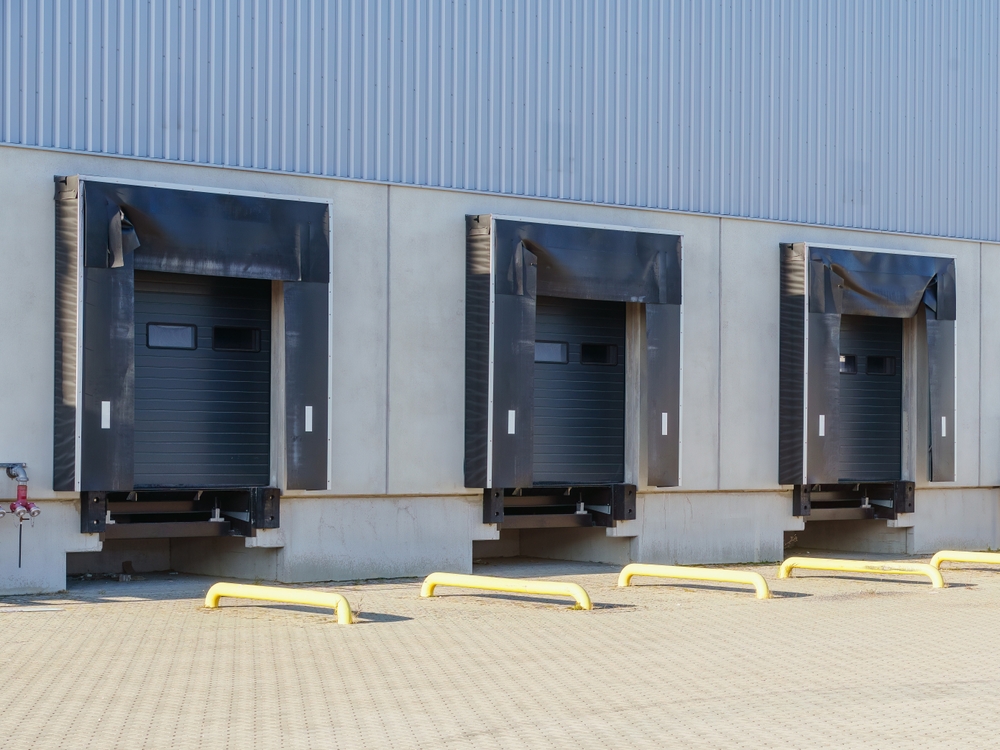
You most likely spend more time near your loading dock than in your own home if you work in a warehouse, distribution center, or other industrial facility. It is the center of your shipping and receiving business, where goods come in and go out, and where a day can quickly turn from orderly to chaotic. The world revolves around loading docks. They at least maintain the flow of your supply chain. However, they have their share of maintenance issues, just like any other busy piece of real estate.
The truth is, loading dock equipment works hard. Every day, it takes blows from pallets, trucks, trailers, forklifts, and occasionally even the operator who yells, “I didn’t hit it that hard.” Wear and tear can eventually result in safety risks, downtime, and some very costly repair costs.
A company can avoid operational snags and needless expenses by knowing the most frequent loading dock maintenance problems and how to avoid or resolve them. At Stokes Equipment, we can equip your team to discuss common problems, their causes, and how to maintain your loading dock.
Why Loading Dock Maintenance Matters
Consider your loading dock to be similar to your beloved vintage truck. It functions flawlessly, but occasionally it requires some love to stay going. Frequent maintenance keeps your employees safe, your deliveries on time, and your expenses under control in addition to extending the life of your equipment.
A single loading dock breakdown can:
- Schedules for loading and unloading should be interrupted.
- Postpone shipments and deliveries.
- Establish hazardous working conditions.
- As workers wait, labor costs rise.
- Leads to expensive emergency repairs.
In other words, your productivity suffers when your dock is down. The good news is that, with the correct inspection schedule, a little preparation, and a few wise habits, many of the most prevalent problems are predictable and avoidable.
1. Dock Levelers: The Usual Suspects
The unsung heroes of the loading dock industry are dock levelers. By bridging the space between the trailer and the warehouse floor, they prevent trailer creep and jarring bumps when forklifts move across it. Unfortunately, because of their perseverance, they are also among the first pieces of equipment to break down.
Common Dock Leveler Issues
- Hydraulic Leaks: As hoses and seals deteriorate over time, fluid can be lost and lifts may stop working.
- Broken Springs or Pins: Wear and fatigue are brought on by constant weight and movement.
- Misalignment: Uneven surfaces or hazardous gaps may result from the leveler not sitting flush.
- Operating Slowly or Unresponsively: Frequently an indication of low hydraulic fluid, broken controls, or inadequate lubrication.
What You Can Do
- Arrange for routine inspections with a qualified maintenance crew.
- Look out for any strange noises or indications of fluid leaks.
- As part of a regular checklist, lubricate moving parts.
- Take care of small repairs right away to prevent forklift-flinging accidents.
2. Dock Doors: The Gatekeepers
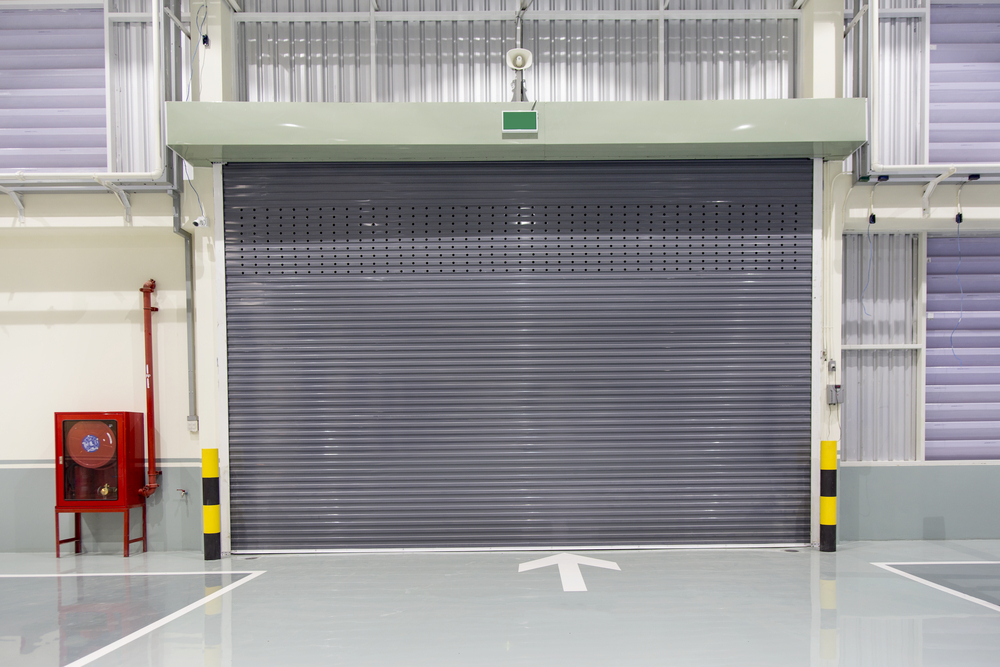
Dock doors are the gatekeepers if dock levelers are the heroes. They defend your structure, sustain a steady interior temperature, and act as a buffer between your warehouse and the elements. However, dock doors are also infamous for breaking down because of all that up-and-down movement.
Common Dock Door Issues
- Track Misalignment: An off-track door may jam, stick, or not close all the way.
- Wear and Tear on Cables: Over time, cables may break, stretch, or fray.
- Spring Malfunctions: Springs bear a lot of strain.
- Sensor Issues: If a sensor malfunctions, the door may open erratically or refuse to move.
What You Can Do
- Visually check for frayed cables and misalignment.
- Maintain debris-free and spotless tracks.
- For spring repairs, hire an expert (really, don’t do it yourself on a high-tension spring).
- To prevent unexpected door tantrums, test sensors frequently.
A loading dock can come to a complete stop more quickly than a forklift with a flat tire if its doors are neglected, but properly maintained doors offer seamless operations. To keep your dock doors operating safely and efficiently, it’s equally important to have reliable vehicle restraint systems in New Jersey that secure trailers in place and prevent unexpected movement during loading and unloading.
3. Vehicle Restraints: The First Line of Defense
Your loading dock’s super heroes are vehicle restraints. By keeping trailers firmly in place during loading and unloading, they lower the possibility of early pull-away accidents and trailer creep. However, they are susceptible to issues just like any other mechanical system.
Common Vehicle Restraint Issues
- Sensor and Light Issues: Confusion develops if the system fails to make it obvious whether a device is locked or unlocked.
- Poor Engagement: The restraint may not lock correctly due to rust, misalignment, or worn parts.
- Control Panel Issues: You may be forced into manual mode due to a poor connection or damaged wiring.
What You Can Do
- Before each shift begins, check and test the restraints.
- Lubricate and clean moving parts on a regular basis.
- Watch for error lights on the control panel.
- To identify wear early, have the system inspected by a professional on a regular basis.
Remember that a perfectly productive day can be ruined by an unexpectedly moving trailer. It is mandatory to use vehicle restraints. They are essential for protecting both personnel and machinery.
4. Bumpers: Small but Mighty
Although they may not receive much attention, bumpers undergo daily battering. They cushion trailer impacts, shield the dock face, and contribute to drivers’ docking experiences.
Common Bumper Issues
- Excessive Wear: Rubber bumpers deteriorate with repeated impact.
- Displacement: Damage to the dock face might come from loose or absent bumpers.
- Improper Sizing: Too-small or too-hard bumpers are unable to perform their function effectively.
What You Can Do
- Regularly check bumpers for thinning, splitting, or cracking.
- Before they turn into decorations, replace worn bumpers.
- Adapt the bumper type and size to the type of vehicle and traffic level at the dock.
Think of bumpers like shoes. If they’re too thin or worn out, everything else hurts.
5. Seals and Shelters: Keeping the Elements Out
The building and the trailer are separated by a weathertight barrier made of dock seals and shelters. Rain, wind, pests, and other intruders are kept out by them. However, because they are composed of rubber, foam, and fabric, their lifespan is limited.
Common Seal and Shelter Issues
- Tears and Punctures: Damage may result from rough handling and sharp trailer edges.
- Compression Loss: Foam gradually loses its ability to seal and maintain its shape.
- Poor Fit: Water and drafts are allowed in through mismatched seals.
What You Can Do
- Check seals for thinning foam or tears.
- Damaged sections should be replaced or repaired right away.
- Double-check to see if it fits various trailer sizes.
Your warehouse can stay in a pleasant environment with a good seal. A poor one makes it a wind tunnel.
6. Lighting and Visibility: A Frequently Overlooked Hero
A well-lit loading dock can reduce the risk of accidents, increase worker productivity, and facilitate trailer alignment for drivers. However, one of the most frequently disregarded maintenance issues is lighting.
Common Lighting Issues
- Burned-Out Bulbs: Simple, but surprisingly common.
- Flickering Lights: An indication of wiring issues or failing ballasts.
- Lack of Coverage: Blind spots and dark corners can be hazardous.
What You Can Do
- Regular inspections should include lighting checks.
- When necessary, fix the wiring and change the bulbs.
- Switch to better-coverage, energy-efficient LED systems.
Don’t force your drivers to park in the dark, just as you wouldn’t.
7. Environmental and Seasonal Factors
Facilities can stay ahead of these challenges by carrying out routine seasonal checks. Damage can be avoided in large part by checking weather seals, lubricating moving parts, and confirming that dock levelers and vehicle restraints are aligned. Maintaining efficiency and safety can be greatly impacted by small actions like cleaning out debris from dock pits and inspecting for rust or worn-out parts.
Common Environmental Problems
- Ice and Snow: May block equipment and cause slick conditions.
- Extreme Heat or Cold: Impacts hydraulic systems and seals.
- Debris Buildup: Rain and wind can push leaves, dirt, and water into the dock area.
What You Can Do
- Stock up on wintertime de-icing supplies.
- Equipment should always be kept out of direct sunlight.
- Make checklists for seasonal maintenance.
A little weather planning goes a long way toward preventing frozen dock doors and slip-and-slide forklifts.
8. Training and Human Error
Bad habits cannot be overcome by even the best-maintained loading dock equipment. Damage is frequently caused by operator error, such as slamming a dock leveler too hard, slamming a door open, or neglecting daily inspections.
How to Address It
- Provide staff with frequent training refreshers.
- Encourage people to report problems, no matter how minor.
- Promote the use of safe operating procedures.
- Honor positive behaviors rather than focusing only on correcting negative ones.
People are what make a dock run smoothly or sluggishly all the time.
9. Preventative Maintenance: Your New Best Friend
Preventative maintenance is the not-so-secret solution to the majority of loading dock issues. It’s about identifying problems early and preventing them from becoming catastrophes rather than waiting for something to break.
Benefits of Preventative Maintenance
- Fewer surprise breakdowns.
- Safer working environment.
- Longer equipment lifespan.
- Lower long-term costs.
- Less stress for everyone.
What It Usually Includes
- Scheduled examinations of the lighting, bumpers, seals, levelers, doors, and restraints.
- Checks for fluids and lubrication.
- Debris removal and cleaning.
- Replacing worn-out components before they break.
An emergency repair is nearly always more expensive than a planned inspection. Incorporating safety features like steel guardrails in Delaware alongside a preventative maintenance plan adds another layer of protection, helping to protect personnel, equipment, and inventory from costly accidents or collisions.
10. Partnering with the Right Professionals
Regular in-house inspections are essential, but hiring experts can have a significant impact. Professional technicians possess the equipment, education, and expertise to identify problems that your team might overlook.
Many facilities use planned maintenance programs that include:
- Routine service visits.
- Priority scheduling for repairs.
- Comprehensive equipment reporting.
- Predictive maintenance insights.
Working with a reliable service provider keeps docks operational, secure, and ready for use. Skilled technicians are able to identify early warning indicators like minor hydraulic leaks, uneven leveler operation, or worn vehicle restraints that might be missed during routine inspections.
Additionally, they can suggest replacements or improvements that increase safety and efficiency, such as sophisticated restraint systems or energy-efficient dock seals. In addition to lowering the need for unforeseen repairs, routine professional maintenance keeps your business safe and prepared for high demand.
11. Knowing When to Repair and When to Replace
Not every maintenance issue can be solved with a wrench and some WD-40. Eventually, even the best equipment reaches the end of its service life.
Signs It Might Be Time for Replacement
- Shipments are occurring less frequently than repairs.
- Even after servicing, performance is inconsistent.
- Safety features no longer work as they should.
- Inefficient systems are driving up energy costs.
Although purchasing new dock equipment may seem costly, it frequently pays for itself in terms of increased uptime and fewer hassles.
12. Building a Culture of Maintenance
Checklists and service calls aren’t the only elements of an effective maintenance program. The goal is to create a culture in which dependability and safety are valued by all.
Simple Ways to Build That Culture
- Encourage employees to voice their concerns when something seems “off.”
- Make it simple to access inspection checklists.
- Honor groups that maintain equipment in good condition.
- Set a good example.
It takes more than just equipment to keep a dock in good condition. It’s about individuals taking responsibility for their work environment.
Don’t Let Maintenance Become a Mystery
It takes time for loading docks to break. Slowly, problems accumulate, usually while no one is paying attention. Your loading dock can function properly for many years if you are aware of the most frequent maintenance problems and take simple, regular steps to address them.
Operations stay secure and efficient when important loading dock components receive regular upkeep. Dock levelers should be regularly inspected for proper balance, smooth movement and adequate sealing. Doors should be maintained to avoid wear, air leaks, and mechanical problems that could impede productivity. For optimal trailer stability, vehicle restraint alignment and holding strength should be regularly checked.
In order to increase visibility and lower the chance of accidents during loading and unloading, adequate lighting is also essential. Even dock bumpers should be inspected on a regular basis to make sure they are adequately absorbing impact. The loading dock as a whole runs more smoothly and dependably when every component works as it should. Contact Stokes Equipment today to partner with the industry experts who keep loading docks operating safely, efficiently, and at peak performance year-round.