
How VRC Safety Audits Protect Your Warehouse: A Complete Guide to Preventing Injuries and Liability
Vertical Reciprocating Conveyors (VRCs) are essential equipment that effectively transfer products between floors in the hectic warehouse environment of today. However, this equipment can pose serious liability risks in the absence of appropriate safety procedures and regular audits. A thorough VRC safety audit program is your first line of defense against workplace accidents, expensive downtime, and legal exposure. It’s not just about compliance.
Why VRC Safety Audits Are Critical for Warehouse Operations
Every year, thousands of people are hurt in warehouse accidents involving material handling equipment, many of which can be linked to avoidable equipment failures or infractions of safety procedures. Even with their many safety features, VRCs need constant attention to keep their protective qualities.
A properly implemented safety audit program serves multiple critical functions:
- Injury Prevention: Frequent safety audits safeguard workers by identifying problems early.
- Liability Reduction: Legal hazards are reduced by documented procedures and inspections.
- Regulatory Compliance: Audits verify compliance with industry and OSHA regulations.
- Financial Protection:Accident prevention lowers claims, downtime, and repair expenses.
Understanding VRC Safety Components: What Audits Examine
Multiple interconnected systems intended to protect operators and maintain safe working conditions are examined during professional VRC safety assessments. Warehouse managers can better grasp the intricacy and significance of routine inspections by being aware of these components.
Primary Safety Systems
- Interlock Systems: Keep doors locked and prevent unwanted access; audits verify that safe bypass controls are operating as intended.
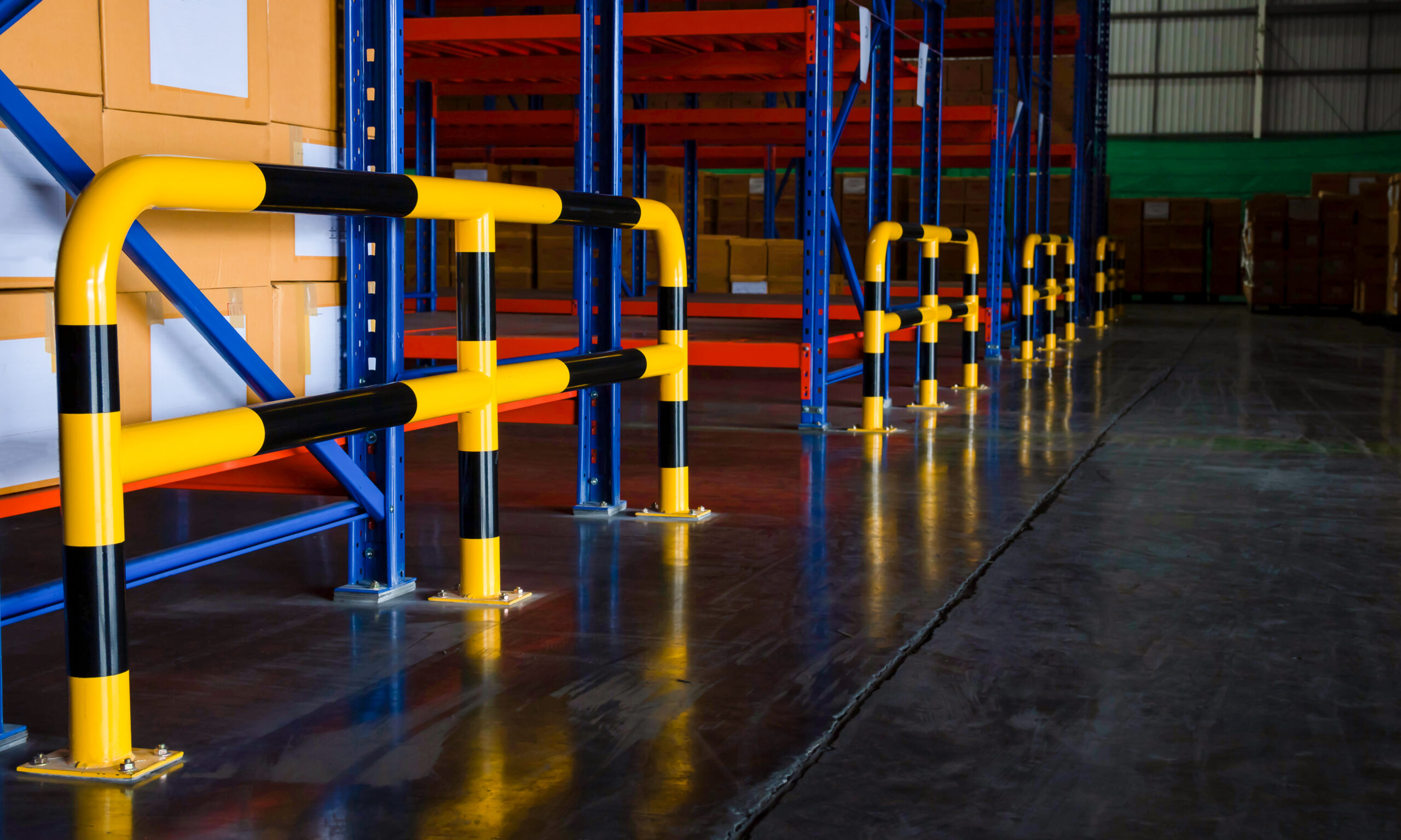
- Safety Gates & Barriers: Prevent contact with moving parts; checks verify smooth functioning, alignment, and installation. Audits also verify that safety guardrails in Lehigh Valley are properly installed and intact, protecting workers from falls near VRC operations.
- Emergency Stop Systems: Stop buttons that are easily accessible. Immediately stop operations; auditors check for responsiveness and reset protocols.
- DeckLock Systems: Every level has a secure platform, and inspections verify that the platforms are properly engaged during loading and unloading.
- Load Sensing Technology: Overloading is avoided via sensors, and system response to extra weight and calibration are examined by audits.
Mechanical Safety Components
- Brake Systems: Brake gap and wear trends are closely inspected for mechanical VRCs. For controlled stopping and holding power at all levels, proper brake adjustment is essential.
- Chain and Cable Integrity: Load-bearing parts are carefully inspected for wear, appropriate tension, and safe connection locations. Any indications of weariness or harm need prompt intervention.
- Safety Cams and Mechanical Stops: These contingency plans offer further defense against overtravel. Audits confirm mechanical integrity and correct placement.
- Hydraulic System Safety: Inspectors check fluid levels, hose connections, and pressure relief valves on hydraulic VRCs to avoid system failures that can result in uncontrollable movement.
The Comprehensive Safety Audit Process: 8 Critical Steps
Expert VRC safety audits employ a methodical process that ensures no safety element is overlooked. Your warehouse activities are completely protected thanks to this meticulous procedure.
Step 1: Pre-Audit Documentation Review
Auditors examine maintenance logs, prior inspection reports, and incident paperwork prior to the start of the physical examination. This historical study aids in locating recurring problems and locations that need extra care. Included in the review are:
- Findings from earlier audits and remedial measures
- Schedules for maintenance and documentation of completion
- Documentation for operator training
- Any safety issues or near-miss accidents that have been reported
- Safety bulletins and manufacturer specifications
Step 2: Safety Protocol Verification
Since safety systems are the cornerstone of VRC protection, auditors start by thoroughly reviewing each one. This crucial stage consists of:
- Interlock Testing: Verifies that if a door, gate, or panel is open or compromised, VRC cannot function.
- Emergency Stop Verification: All stop buttons are tested for operator comprehension, correct reset, and instant shutdown.
- Safety Signage & Markings: Makes certain that all instructions, signs, and warnings are prominent, readable, and in the right location.
- DeckLock Function: Offers dependable platform security throughout loading and unloading.
Step 3: Operational Component Assessment
Following safety system verification, auditors look at elements that impact operational dependability and safety:
- Interlock Testing: Verifies that if a door, gate, or panel is open or compromised, VRC cannot function.
- Emergency Stop Verification: All stop buttons are tested for operator comprehension, correct reset, and instant shutdown.
- Safety Signage & Markings: Make sure that all instructions, signs, and warnings are prominent, readable, and in the right location.
- DeckLock Function: Provides dependable platform security throughout loading and unloading.
Step 4: Electrical System Safety Inspection
Electrical components need particular handling because they pose operational and safety risks:
- Control Panel Examination: To avoid risks, inspect electrical connections for insulation, corrosion, and tightness.
- Push-Button & HMI Testing: To prevent operator errors, make sure all controls react appropriately and function clearly.
- Wiring Inspection: Examines exposed wiring for damage, proper routing, and environmental or wear resistance.
- Ground Fault Protection: Checks that safety systems are operating correctly and reacting quickly to electrical problems.
Step 5: Load Testing and Capacity Verification
Overloading, a major contributor to VRC failures, can be avoided by being aware of and checking load limits:
- Weight Distribution Assessment: In order to avoid tilting or uneven stress on mechanical components, auditors confirm that loading processes guarantee uniform weight distribution across the platform.
- Capacity Limit Enforcement: To make sure they effectively avoid overloading and notify operators of situations involving extra weight, load-sensing devices are put through testing.
- Loading Procedure Review: To find unsafe conduct that can jeopardize worker or equipment safety, current loading operations are studied.
Step 6: Environmental and Housekeeping Evaluation
The area surrounding VRCs significantly impacts safety and operational efficiency:
- Clearance Verification: Safe access for maintenance and emergency response, as well as the prevention of operational interference, are all provided by the adequate clearances surrounding the VRC.
- Debris and Obstruction Removal: Debris that might obstruct operation or present a trip hazard has been removed from the areas beneath and surrounding the VRC.
- Environmental Conditions: To be sure operators have safe working conditions, elements including temperature, ventilation, and illumination are assessed.
- Traffic Pattern Analysis: Potential collision risks or operational conflicts are identified by evaluating the material and personnel circulation patterns surrounding the VRC.
Step 7: Operator Training and Procedure Verification
Human factors play a crucial role in VRC safety, making training assessment essential:
- Operator Knowledge: Auditors watch operators to verify that safety protocols and equipment operation methods are being followed correctly.
- Training Documentation: To make sure all operators have obtained the proper training and certification updates, current training records are examined.
- Safety Protocol Compliance: To find places where more training or changes to the procedure may be required, actual practices are compared to defined safety protocols.
- Communication Systems: Techniques for reporting equipment problems and safety concerns are assessed to produce efficient feedback systems.
Step 8: Documentation and Corrective Action Planning
Thorough documentation offers a road map for upholding safety requirements and establishes accountability:
- Detailed Findings Report: Records all measurements, tests, and observations with precise notes and, if necessary, pictures.
- Priority Classification: Prioritizes important safety concerns by ranking issues according to their risk and severity.
- Corrective Action Timeline: Sets due dates for problem-solving, with critical matters needing prompt attention.
- Follow-Up Scheduling: Outlines upcoming examinations and surveillance for continuous safety supervision.
Common Safety Issues Discovered During VRC Audits
Expert safety audits regularly spot recurring issues that, if ignored, can result in dangerous mishaps and increased liability. Warehouse managers are better able to concentrate their preventive efforts when they are conscious of these common problems.
Mechanical Safety Failures
Regular adjustment and replacement are crucial because worn brake components can impair braking capacity, leading to platform drift or trouble securely maintaining loads. Platform location is impacted by chain stretch and wear, which can cause unexpected failure. However, early diagnosis enables planned replacement rather than emergency repairs.
Platform misalignment brought on by guide system issues, including worn wheels or rails, increases equipment wear and poses loading risks. Failures of hydraulic seals present a risk of lost pressure and slide hazards, which could result in uncontrollable platform movement.
Safety System Malfunctions
Interlock systems that are bypassed or broken jeopardize safety by providing access to unsafe areas while they are in use. Operators are unable to quickly stop hazardous situations when emergency stop buttons malfunction. When workers are around, DeckLock problems make loading and unloading more dangerous. By not informing operators and nearby staff of important hazards, missing or ambiguous safety signage further lowers awareness.
Operational Safety Hazards
In VRC situations, human factors and operational security issues frequently combine to produce serious dangers. Equipment overloading, incorrect loading methods, and inadequate clearances can put stress on system parts, raise the risk of tipping, and restrict emergency access. Because it interferes with safety systems and creates tripping hazards, poor housekeeping further increases the risk. On the human side, harmful activities and lost chances to resolve problems early are caused by inadequate training, disregard for safety procedures, and poor communication. These issues continue in the absence of strict supervision, increasing the risk of mishaps, injuries, and expensive equipment damage.
The Business Case: How Safety Audits Protect Your Bottom Line
Beyond just meeting regulations, investing in thorough VRC safety assessments has significant financial advantages. When the actual costs of workplace accidents and equipment malfunctions are taken into account, the return on investment becomes evident.
Direct Cost Savings
By lowering expensive hazards and interruptions, proactive safety measures have a significant positive financial impact. Regular audits shield equipment against catastrophic failures and costly emergency repairs, while preventing occupational injuries, which helps reduce workers’ compensation claims and premiums. By preventing unscheduled downtime and expensive delays, scheduled maintenance also promotes production continuity. Additionally, companies with thorough safety protocols and low incident rates frequently benefit from lower insurance costs and greater benefits in coverage.
Indirect Financial Benefits
A comprehensive safety policy protects your company as a whole, not just your employees. Keeping up a strong safety record improves your business’s standing with clients and opens up new business prospects. Additionally, safe environments increase worker retention and satisfaction, which lowers expensive turnover in skilled positions. While documented safety procedures offer a robust legal defense that helps reduce exposure and compensation costs in the event of an incident, proactive compliance measures reduce the likelihood of fines and regulatory disruptions.
Implementing an Effective VRC Safety Audit Program
Systematic planning, skilled staff, and a persistent dedication to continuous improvement are necessary for the creation of a successful safety audit program. Maintaining VRC performance and safety requires choosing trained staff and setting the appropriate audit frequency. More regular audits are necessary for high-use units in harsh environments than for those with lighter duty cycles.
The schedule is determined by a number of parameters, including working hours, load cycles, environmental exposure, equipment age, and previous maintenance records. The frequency of audits should also be in line with manufacturer guidelines, local safety rules, and OSHA regulations. Additional audits should be planned following operational modifications such as modified loading processes or increased capacity.
Choosing reliable auditors, experts with specialized VRC training, qualifications, and practical knowledge with your equipment models, is equally crucial. While hiring third-party personnel can give objective, unbiased assessments away from internal influences, auditors can stay up to date with changing standards and technology through ongoing training and certification renewals. Keeping dock leveler parts in Philadelphia, PA, well-maintained is critical to prevent downtime and maintain a safe loading environment.
Creating Effective Documentation Systems
Clear and consistent documentation procedures are essential to the success of safety audits. Long-term trend analysis and thorough coverage are supported by standardized reporting utilizing standard forms. Digital record-keeping streamlines the management of remedial action while making it simpler to store, access, and monitor audit data. By adding visual clarity, photo documentation establishes a trustworthy point of reference for resolving problems and comparing conditions in the future. Lastly, action tracking systems help with tracking the implementation of corrective measures and confirming that solutions continue to work over time.
Best Practices for VRC Safety Management
Effective safety programs include thorough safety management procedures that foster a continuous improvement culture in addition to recurring audits. Consistent daily procedures and continuous training are both components of effective safety systems. Operators should use straightforward reporting methods for issues or near-misses, implement explicit load management protocols, and finish pre-shift inspections of safety devices and controls. Coordination of VRC operations with other warehouse tasks is also facilitated by effective communication methods.
Detailed new employee orientation, targeted refresher courses, and specific training for maintenance teams handling safety systems are some of the ways that training supports these practices. To improve overall workplace safety, management should also get training on program monitoring, incident investigation, and regulatory compliance.
Continuous Improvement
- Trend Analysis: Examine audit results and incident data on a regular basis to spot trends that point to systemic problems.
- Technology Updates: Keep up with advancements in safety technology and think about upgrading to boost security.
- Benchmarking: To identify areas for improvement, compare safety performance to best practices and industry standards.
- Stakeholder Engagement: Engage management, maintenance staff, and operators in creating workable, efficient safety solutions.
Making Safety Your Competitive Advantage
VRC safety audits are strategic investments in the long-term prosperity of your warehouse that go beyond legal requirements. Thorough audit programs boost your reputation for safety excellence, lower operational costs, and increase reliability. Instead of handling safety as a stand-alone compliance chore, success comes from incorporating it into your company culture.
Management commitment, skilled staff, and constant attention are crucial. Your employees, assets, and future business performance are safeguarded when you collaborate with seasoned safety experts and uphold strict audit schedules. Take charge of your safety performance now by implementing expert VRC safety audits before an accident occurs. Partner with Stokes Equipment today to schedule your comprehensive VRC safety audit and safeguard your warehouse, employees, and bottom line.