How to Conduct a VRC Inspection: A Complete Guide for Facility Managers
For effective material handling in warehouses, distribution hubs, and manufacturing facilities, vertical reciprocating conveyors, or VRCs, are essential. These systems swiftly and securely move items between floors. VRCs require routine inspections, just like any other mechanical equipment, to boost system longevity, prevent expensive downtime, and maintain safety. Facility managers can detect possible risks, uphold adherence to OSHA rules, and prevent unforeseen interruptions by carrying out thorough inspections.
The steps of a VRC inspection, common problems to look for, best practices, and how to successfully integrate safety features will all be covered in this guide. By employing these tactics, you can maintain the smooth operation of your business while safeguarding both personnel and property. In addition to decreasing unplanned downtime, proper inspection procedures increase productivity by averting mishaps. Workers can move materials with confidence when a VRC is kept up to date, preserving workflow consistency at all levels. Management can identify patterns and plan preventative maintenance before issues worsen by keeping a record of inspections.
Understanding VRCs and Their Importance
Vertical reciprocating conveyors can be used to move heavy items between floors of a building. Unlike traditional freight elevators, VRCs are specifically made for material handling and offer flexibility in terms of installation and customization. Important elements of a VRC include:
- Platform or lift table
- Guardrails and safety gates
- Hydraulic or mechanical lifting system
- Control panels and emergency stops
- Safety interlocks
VRCs are capable of handling large loads, so even a small malfunction could cause major harm or damage to the equipment. Frequent inspections lower the chance of accidents and maintain the smooth flow of goods by enabling operators to identify problems early.
VRCs are especially useful in high-volume settings where productivity is directly impacted by the timely movement of goods. For instance, delays brought on by VRC outages in food distribution facilities may result in spoiling, missed deadlines, and unhappy customers. Likewise, VRCs are essential to the safe movement of raw materials between production lines in manufacturing facilities. Managers and operators must be aware of a VRC’s design, weight capacity, and operating restrictions. Understanding the operational nuances of the VRC guarantees comprehensive and efficient inspections that cover both overt and covert signs of wear and tear.
Preparing for a VRC Inspection
Before conducting a VRC inspection, preparation is very important. Start by reading the manufacturer’s handbook to find out about the recommended inspection intervals and safety protocols. Make a checklist to help you remember which parts require inspection. The following things should be on your checklist:
- The lift’s mechanical state
- Motor operations or hydraulic systems
- Interlocks, guardrails, and safety gates
- Platform alignment and load capacity
- Control panels and emergency stop functions
An organized strategy improves the inspection process and makes it simpler to record results for future reference. Another part of preparation is planning the downtime for the inspection so that it doesn’t coincide with times when operations are particularly busy. Accidents and unintentional use during maintenance can be prevented by educating staff members about the inspection schedule.
Put together the tools you’ll need to document your discoveries, such as digital cameras, inspection mirrors, and wrenches. Many facility managers additionally test and document tolerances to detect gradual misalignment or component damage over time. Having a comprehensive strategy in place makes sure that the inspection is not rushed and that nothing is missed, especially for VRCs where even minor mechanical issues can become major safety hazards.
Step-by-Step VRC Inspection Process
1. Inspect the Safety Guardrails
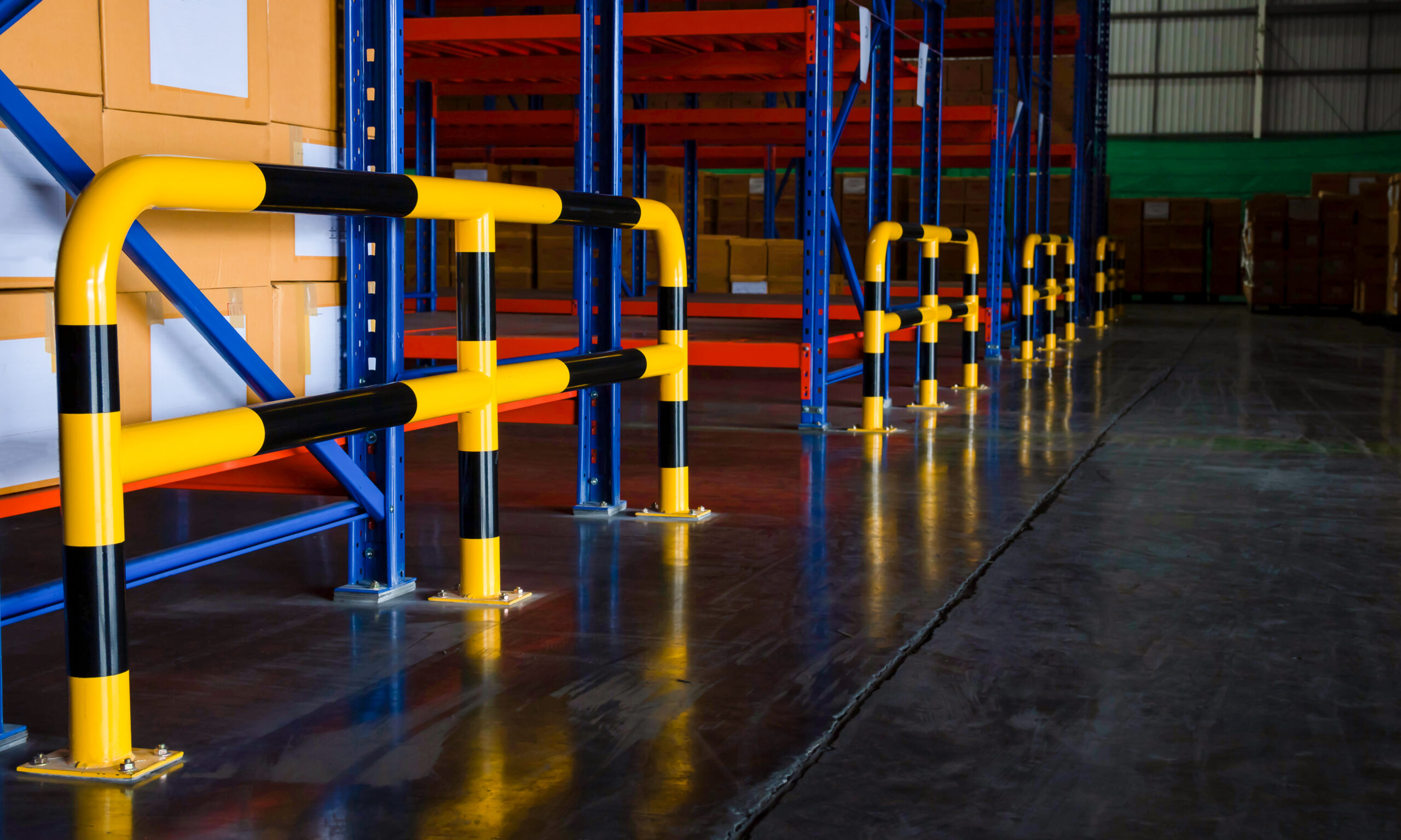
Start by inspecting every safety railing both visually and functionally. Verify that they are installed correctly and that there is no rust or damage. Employees are kept from inadvertently entering the lift area by guardrails. For facilities in New Jersey looking for high-quality safety solutions, consider exploring products like safety guardrails in New Jersey to enhance protection.
Check for:
- Guardrails that are bent or loose
- Absence of fasteners or bolts
- Panels that are worn out or damaged
Guardrails are often the first line of defense for anyone working near a VRC. Even small rust or dents can affect their strength, putting staff members in danger. During inspections, carefully test the rails’ stability and observe how they respond to pressure. Any parts that don’t meet safety requirements should be fixed or replaced immediately. Warning signs should be clearly posted if guardrail components are being serviced. Regular guardrail inspections reduce liability and enhance workplace safety culture.
2. Check the Elevator Platform
The lift platform is the main part of any VRC. Examine the surface for signs of corrosion, cracks, or uneven wear. Verify that the platform moves smoothly along its tracks and that there are no odd noises or vibrations. While operations are in progress, make sure load limits are properly marked and adhered to.
- Look for signs of metal fatigue or wear in load-bearing areas.
- Check that the entry and exit points on the platform are correctly aligned.
For operational effectiveness and safety, lift platform maintenance is essential. Weight imbalance brought on by uneven platforms may result in spills or accidents. Inspections should test the sensors that some VRCs have that can identify platform misalignment. By avoiding excessive friction, lubricating moving parts helps to minimize wear and tear. To identify patterns and prevent issues, facility managers should monitor platform performance metrics such as load testing and movement speed. Frequent lift platform maintenance can help avoid expensive repairs and unscheduled downtime, which can cause disruptions to busy facility operations.
3. Review Hydraulic and Mechanical Systems
Both hydraulic and mechanical components power the VRC. Examine these systems for defects, odd noises, or leaks.
Key points include:
- Monitoring hydraulic fluid levels and looking for leaks
- Examining hoses, cylinders, and seals
- Checking that chains, gears, and motors are operating correctly
These devices can avoid expensive repairs and save downtime with routine maintenance. Because they may result in injuries, equipment damage, or unexpected falls, hydraulic failures are especially dangerous. Examine the lift while it is under weight, paying attention to any strange movement patterns, grinding noises, or hissing sounds.
Examples of mechanical wear that need to be quickly detected and fixed include chain elongation and motor overheating. To find components that are experiencing extreme stress, facility managers might also think about utilizing thermal or infrared imaging technologies. Maintaining mechanical and hydraulic systems proactively increases equipment longevity and encourages adherence to safety regulations.
4. Test Control Panels and Emergency Features
The safe operation of the VRC is supervised by control systems. Test each button, switch, and emergency stop to ensure optimal performance. This step is crucial to protecting operators in the case of an unexpected incident.
- Press all of the emergency stop buttons to ensure that the lift stops immediately.
- Due to safety interlocks, make sure the elevator is not operating when the gates are open.
- Check the control panel for any warning lights or error codes.
Your employees will feel safer and more confident if your control systems are dependable. Operators may accidentally activate the lift or ignore safety measures due to malfunctioning controls. Create emergency scenarios while conducting inspections to make sure the system reacts as anticipated. Verify that staff members have gotten the instruction they require to manage errors and alerts, and update control software as necessary. A comprehensive evaluation of control panels lowers liability risk and guarantees seamless operation, especially in establishments with a high volume of VRCs or high usage.
5. Inspect the Load Path and Alignment
The VRC needs to travel in a straight line. Mechanical wear or failure may result from misalignment. Look for any differences in the platform tracks, rails, and pulleys. For smooth operation, lubricate moving parts as necessary.
By avoiding uneven stress, routine alignment checks increase component life. Keep an eye out for minute indications of alignment problems, such as uneven lifting, odd sounds, or increased vibration. Verify the stability of the structural supports and anchoring points. Early misalignment correction reduces potential downtime and safety hazards by avoiding major repairs and maintaining the lift’s performance.
6. Check Documentation and Logs
Keep detailed records of every inspection. Include:
- Date and time of inspection
- Observed issues and corrective actions taken
- Maintenance performed
- Load testing results
Accurate documentation facilitates compliance audits and helps track recurring issues over time. With the help of thorough logs, management can see trends like frequent hydraulic leaks or deterioration in a specific platform area. This information is very helpful for budgeting, preventative maintenance, and onboarding new hires. Digital documentation technologies can make it easier for teams to share inspection data and maintain a clear maintenance history.
Common Issues Found During VRC Inspections
These persistent issues are frequently found during routine inspections:
- Reduced lift performance due to hydraulic leaks
- Guardrails that are loose or worn
- Control panels or emergency stops are not working properly
- Metal fatigue or corrosion in load-bearing structures
- Uneven movement or misalignment of the platform
By taking proactive measures to address these problems, worker safety is increased and operational disruptions are decreased. Facility managers should prioritize repairs based on their severity and possible risk. For example, a compromised guardrail may be more significant than a small aesthetic flaw in the platform. By implementing a systematic corrective action plan and quickly dealing with safety issues, productivity and compliance are upheld.
VRC Safety Best Practices
In VRC operations, safety is crucial. Put the following procedures into action:
- Perform examinations before every shift.
- Only allow trained personnel to enter; post load limits and clear signage.
- Employees working close to the elevator should wear fall protection gear.
- Plan for expert maintenance of important components.
For facilities in Philadelphia seeking specialized equipment, loading dock lift Philadelphia options can complement your VRC setup for safer, more efficient material handling.
Frequent safety protocols increase worker confidence, reduce the chance of accidents, and demonstrate a facility’s commitment to legal compliance. When VRC safety protocols are integrated with broader workplace safety initiatives, all material-handling procedures have the potential to be safe and well-coordinated.
Benefits of Regular VRC Inspections
Regular inspections have observable advantages:
- Decreased likelihood of mishaps and harm
- Reduced instances of unscheduled downtime
- Extended life of VRC apparatus
- Savings on urgent repairs
- Observance of local safety laws and OSHA
A systematic inspection program shows a company’s commitment to safety and operational excellence. Facilities that emphasize inspection schedules often realize increases in productivity and better employee morale because operators feel safer working around well-maintained equipment. Preventive inspections are an investment in long-term operational efficiency.
Optimize Your Material Handling with Professional Support
For VRC inspections to be successful, personnel must be properly trained. Educate people on how to use personal protective equipment (PPE) properly.
- Recognizing hydraulic and mechanical problems
- Recording and disseminating inspection results
- Using emergency stop systems
Continued training raises awareness of safety issues and reduces the likelihood of operator errors. During routine training sessions, employees can participate in hands-on demonstrations and real-world troubleshooting activities to obtain practical expertise in recognizing potential dangers. By fostering a culture of safety, facilities lower risks and maintain smooth operations throughout time.
Maintaining your VRC systems is essential for safe and efficient material handling. For guidance on VRC inspections, repairs, or upgrades, reach out to Stokes Equipment today. With the correct tools and knowledgeable assistance, our team can help you safeguard your investment, maintain the safety of your employees, and improve operations.