Facilities without a permanent loading dock face massive logistical bottlenecks. Moving heavy freight from ground level into a semi-trailer requires robust equipment to maintain workplace safety and speed. A yard ramp solves this problem by creating a sturdy, temporary incline for forklifts to travel smoothly between different elevations. By integrating a mobile yard ramp into your workflow, you eliminate manual unloading delays and build a highly efficient operation.
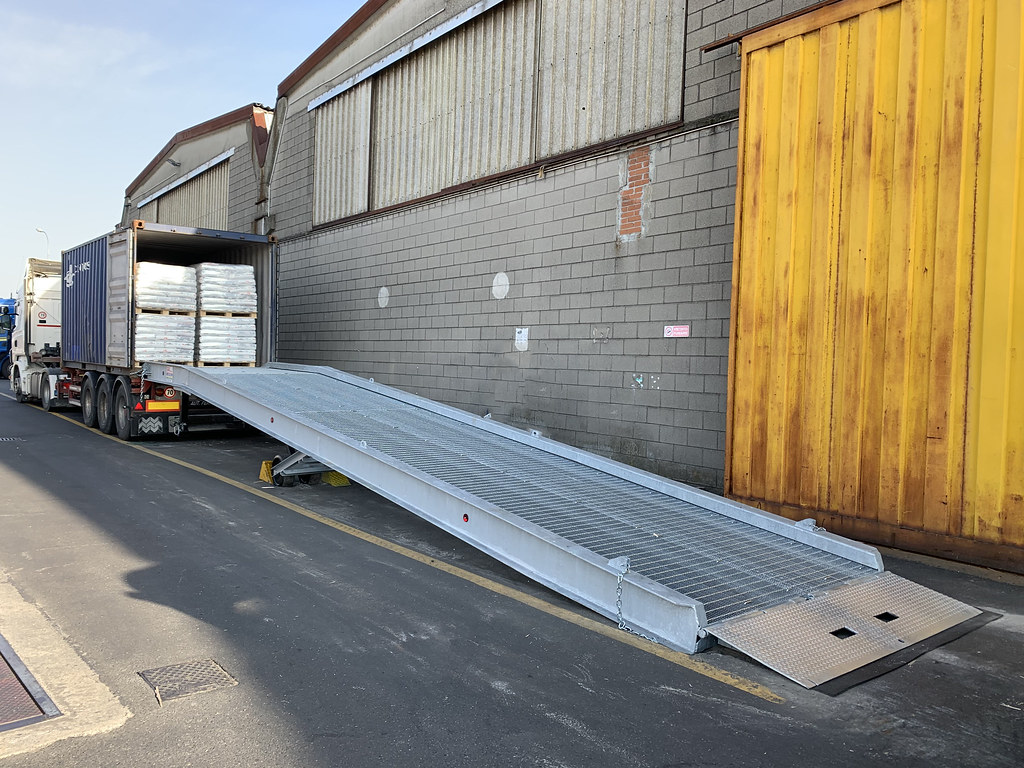
This essential tool bridges the gap between the ground and the bed of a commercial truck, acting as a flexible loading grade for various vehicle profiles. You will see yard ramps operating at warehouses, manufacturing hubs, and construction sites nationwide to streamline unloading operations. Every yard ramp provides a path to unload trucks quickly without needing permanent concrete structures, which are expensive, disruptive, and time-consuming to build.
Key Advantages of Modern Yard Ramps
Whether you are dealing with a standard trailer or a specialized ocean shipping container, a modern yard ramp offers the exact versatility needed for dynamic loading environments.
Many companies rely on industrial yard ramps to keep their supply chains moving smoothly throughout the year, regardless of severe weather.
Without a yard ramp, manual loading takes significantly more time and physical labor, leading to increased overhead and human error. A high-quality yard ramp drastically reduces the physical strain placed on your warehouse workers by allowing for mechanized, forklift-driven movement of goods. Furthermore, a yard ramp can be positioned exactly where it is needed, providing a portable loading solution that permanent concrete structures simply cannot match.
Core Components of a Steel Yard Ramp
Understanding how a yard ramp operates requires looking closely at its individual mechanical and structural parts:
- Hydraulic Pump: A heavy-duty hydraulic pump allows warehouse operators to adjust the height of the yard ramp effortlessly to match different trailer heights. This mechanism raises the ramp to meet the trailer floor precisely, securing a safe, level transition.
- Tow Bar & Positioning Sleeves: A strong, detachable tow bar allows a forklift to pull the yard ramp smoothly across asphalt or concrete pavement. The positioning sleeves slide over the forklift tines to maneuver the yard ramp safely into place without manual lifting.
- Solid Rubber Tires: Many managers prefer solid rubber tires because they never puncture or go flat during extremely heavy commercial operations.
- Steel Deck Grating: Durable, open steel deck grating provides the necessary traction for forklift tires in wet, oily, or icy weather conditions while letting rain and snow fall through.
- Safety Curbs and Chains: High-visibility safety curbs run along the edges of the yard ramp to prevent dangerous forklift run-offs, while heavy-duty safety chains lock the 15-inch lip tightly to the truck chassis.
Yard Ramp Rental vs. Purchasing
For many companies, a yard ramp rental is a much more cost-effective solution than a full capital purchase, especially for short-term contracts or cyclical projects. Ramp rental programs allow you to access high-quality yard ramps without a significant upfront capital investment. If you only need a yard ramp for a few months out of the year, rentals provide the perfect balance of immediate utility and operational economy.
Choosing a yard ramp rental also allows your team to test different models, such as a highly maneuverable mobile ramp or a heavy-duty steel yard ramp, before committing capital to a full purchase. Many regional businesses find that yard ramp rentals are the absolute best way to handle temporary surges in inventory, seasonal retail spikes, or to temporarily replace equipment undergoing structural repairs.
Purchasing a yard ramp outright is often the preferred choice for long-term, high-volume facilities that require a permanent operational solution without the expense of concrete construction. A new steel yard ramp can last for decades with minimal preventive maintenance, providing an exceptional return on investment over its industrial lifespan. For companies with consistent, daily shipping and receiving volumes, owning the equipment makes sure it is always available the moment a driver arrives at the gate.
Safety Standards and Working Capacity
Safety is the absolute top priority when operating any industrial yard ramp. It is essential to choose a yard ramp with a working capacity that exceeds the combined weight of your heaviest forklift and its maximum possible cargo load. Most heavy-duty steel yard ramps are rated for 16,000 lbs, 20,000 lbs, or even 30,000 lbs capacity to secure a wide safety margin during operations. Always check the total ramp length to make sure the incline slope grade is not too steep for your specific forklift model to climb safely while carrying a full load.
Pro Tip
Make sure your yard ramp is placed on a completely level, highly compacted surface to prevent structural shifting during heavy unloading operations. Regularly inspect the safety chains and the hydraulic components to maintain the efficient operation of your yard ramp and protect your personnel from avoidable accidents.
Streamlining Operations with Local Industrial Expertise
When analyzing regional logistics bottlenecks, proximity to expert sales and service is vital for minimizing facility downtime. For operations deploying yard ramps in Berks County, having a partner that understands heavy-industrial applications and rugged outdoor environments makes sure that your equipment is matched perfectly to your local terrain. Local experts can assess whether your compacted gravel or asphalt surfaces require specialized solid rubber tires or a wider ramp configuration to handle heavy manufacturing components safely.
Similarly, working with a dedicated loading dock company in Philadelphia, PA gives urban distribution centers and tight city warehouses immediate access to rapid response service, compliance inspections, and quick-ship replacement yard ramps. Urban logistics spaces often face strict layout constraints, requiring precise, compact mobile ramp solutions that can handle high-volume turnover without blocking valuable yard space. Utilizing local support keeps your equipment fully compliant with regional safety standards while operating at peak efficiency.
Leverage Stokes Equipment Services and Yard Ramp Expertise
Optimizing your facility’s material handling flow requires more than just high-quality hardware, it requires decades of proven industry experience and engineered precision. Stokes Equipment brings unmatched expertise to your facility, offering an extensive suite of services that includes specialized yard ramp applications, including initial layout consultation, professional delivery, and certified safety training.
Our experienced team works directly with your operations managers to evaluate your daily traffic patterns, axle load requirements, and spatial constraints, making sure you select the ideal yard ramp configuration for your unique application. Beyond equipment sales, Stokes Equipment provides robust preventative maintenance programs and rapid emergency repair services to keep your yard ramps functioning flawlessly under pressure.
Ready to turn your open yard into a highly productive loading zone? Contact Stokes Equipment today to speak with one of our yard ramp specialists, request a quote, or explore our extensive inventory of premium portable yard ramps and mobile solutions. Let us help you keep your business moving forward.